
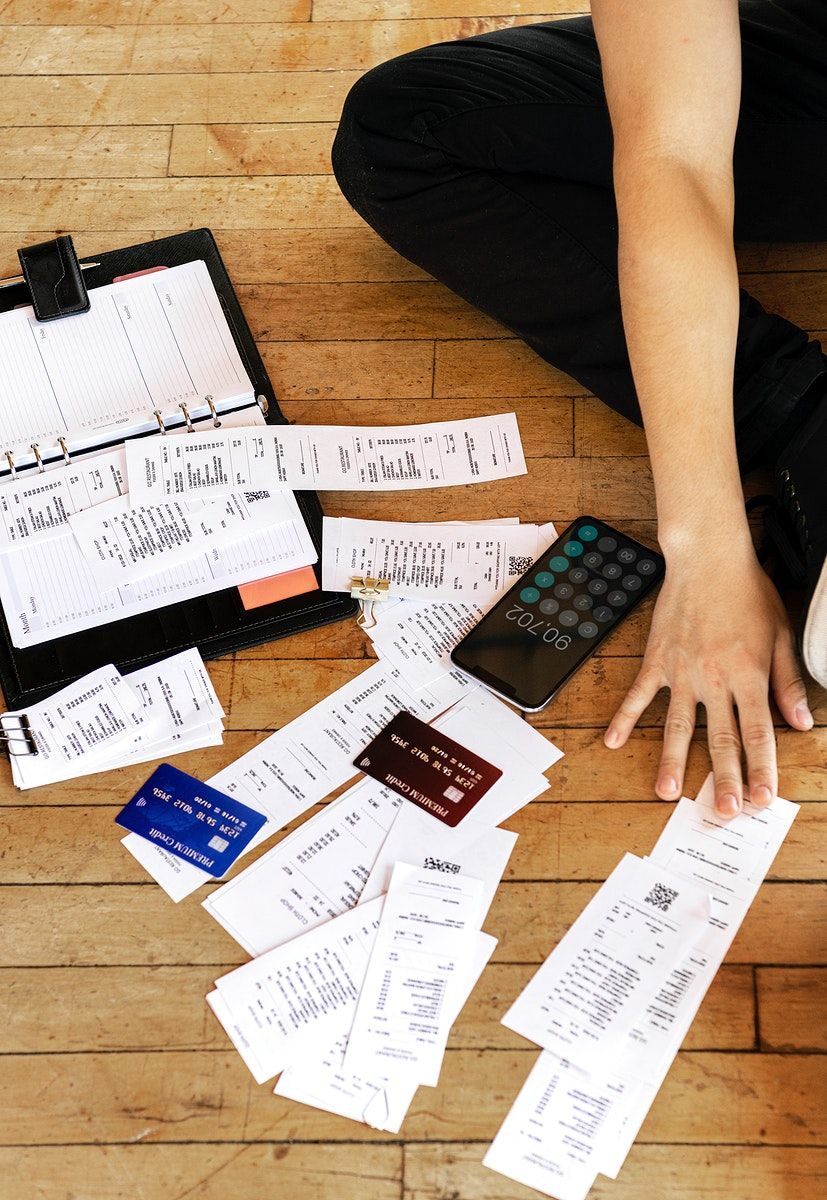
How to Track Your Spending Without a Spreadsheet
You check your bank account. Everything looks fine.
A few coffees, a couple of dinners, some online shopping, and suddenly you're wondering how your balance got so low.
Sound familiar?
Here's the thing: you don't have to stop spending money to get better at managing it. You just need a clearer picture of where it's going.
And no, that doesn't mean creating a spreadsheet with 15 tabs and color-coded formulas.
Let's talk about how to track your spending without making it your newest unpaid part-time job.
1. Start by understanding where your money actually goes
Before changing your spending habits, figure out what they look like.
Open your banking app and review your transactions from the past month.
Look for patterns, not mistakes.
Maybe you're spending more on takeout than you realized. Maybe transportation costs have increased. Or maybe those little purchases aren't actually that big of a deal.
The goal isn't to judge your spending. It's to understand it.
You can't make informed decisions about money you don't understand.
Start with a few basic categories:
- Groceries
- Housing and bills
- Transportation
- Restaurants and cafés
- Shopping
- Entertainment
- Subscriptions
- Other expenses
You don't need 30 different categories. Keep it simple enough that you'll actually use them.
2. Stop relying on your bank balance alone
Your bank balance tells you how much money is in your account.
It doesn't necessarily tell you how much you can afford to spend.
Let's say you have $850 in your account.
Sounds pretty good.
But you also have $500 in rent coming up, $100 in groceries, and a $50 phone bill.
That leaves you with $200 available for everything else.
Expense
Amount
Current balance
$850
Upcoming rent
−$500
Groceries
−$100
Phone bill
−$50
Actually left to spend
$200
That's why tracking your spending is about more than knowing what you've already purchased.
It's also about understanding what's still available after accounting for upcoming expenses.
Your bank balance and your spending money are two different things.
3. Find an expense tracking method that works for you
There's no universal best way to track expenses.
Some people genuinely enjoy spreadsheets. Others would rather never open Excel again.
The important thing is choosing a system that fits your lifestyle.
Option 1: Use your banking app
Most banking apps already provide transaction histories and sometimes spending categories.
This is a great starting point if you just want to review where your money went.
However, banking apps may not show the complete picture when you use several accounts or pay in cash.
Option 2: Keep a simple note on your phone
Create a note with your main spending categories and update it occasionally.
For example:
This week's spending
- Groceries: $42
- Restaurants: $35
- Transportation: $18
- Shopping: $27
Total: $122
It's basic, but it works if you're comfortable entering expenses manually.
Option 3: Use an expense tracking app
Budgeting apps can organize transactions into categories, display spending patterns, and help you understand what's left.
Some offer automatic bank synchronization, while others rely on manual transaction entry.
This is the idea behind SSPEN: making budgeting easier to understand without requiring complicated spreadsheets or rigid rules.
The best system isn't necessarily the one with the most features.
It's the one you'll actually keep using.
4. Pay attention to recurring expenses
Not all spending happens because you actively decide to purchase something.
Some expenses quietly repeat every month.
Think about:
- Streaming services
- Music subscriptions
- Cloud storage
- Gym memberships
- App subscriptions
- Delivery memberships
A $9.99 subscription might not seem like much on its own.
But five subscriptions averaging $10 each add up to $50 per month, or $600 per year.
That doesn't automatically mean you're wasting money.
If you use those services and enjoy them, they might be worth every dollar.
The important thing is knowing they're there.
Review your recurring expenses once a month and decide which ones still make sense for you.
5. Look at spending patterns, not individual purchases
One expensive weekend doesn't necessarily mean you're bad with money.
Neither does buying something spontaneous.
What matters more is what happens over time.
Let's say you spent $150 on restaurants this month.
Instead of immediately deciding that's too much, ask yourself:
- Is that typical for me?
- Did I have more social plans than usual?
- Did I spend less somewhere else?
- Can I comfortably afford it alongside my other priorities?
Your spending habits will change depending on your circumstances.
Some months involve birthdays, trips, or celebrations. Others are quieter.
The point of tracking expenses is to see the bigger picture, not criticize every purchase.
6. Give yourself a weekly spending amount
Monthly budgets can feel abstract.
Knowing you have $400 available for flexible spending this month is useful, but what does that mean for your plans this Friday?
Try breaking that amount down into a weekly guide.
For example:
$400 ÷ 4 weeks = approximately $100 per week.
Now you have a clearer reference when deciding whether to eat out, buy something, or make weekend plans.
Just remember that months aren't exactly four weeks long. For a more precise average, divide a monthly amount by about 4.33.
And your spending doesn't need to be identical every week.
If you use $70 one week, you may have more flexibility the following week.
This is where knowing what's left to spend becomes especially useful.
Instead of constantly calculating numbers in your head, you have a clearer idea of what fits within your plans.
7. Make checking your spending a weekly habit
You don't need to check your transactions every hour.
In fact, constantly watching your bank account can make managing money feel more stressful than necessary.
Try setting aside five minutes once a week.
During your check-in:
- Review your recent transactions.
- Check your spending categories.
- Look at upcoming bills and subscriptions.
- See how much money you have left.
- Adjust your plans if needed.
That's it.
You don't need to create a financial report or analyze every decision.
A short weekly check-in helps you stay aware of your spending without making money the center of your day.
8. Remember that spending money isn't a failure
A lot of budgeting advice focuses on what you should stop buying.
Stop ordering coffee. Stop eating out. Stop shopping.
But spending is part of life.
You have bills to pay, things you need, and experiences you want to enjoy.
The goal isn't to spend as little as humanly possible.
It's to make sure your money is going toward things that matter to you while keeping your financial priorities covered.
If your daily matcha fits comfortably into your budget, you don't need to feel guilty about it.
If you're saving for a trip, tracking your expenses can help you understand what you might want to prioritize differently.
Awareness gives you choices. It doesn't have to come with judgment.
The bottom line: Know your money, without overthinking it
Tracking your spending doesn't need to be complicated.
You don't need a perfect spreadsheet, a finance degree, or an entirely new personality.
Start by understanding your expenses, organizing them into a few categories, and checking in regularly.
Over time, you'll begin recognizing patterns and making spending decisions with more confidence.
And that's what better money management should feel like.
Not constant restrictions. Not guilt after every purchase.
Just a little more clarity.
Less guessing where your money went. More knowing what you can do with it.