
How to Travel on a Budget Without Missing Out
You see a €35 flight to Barcelona.
Suddenly, you're imagining yourself eating tapas, wandering through cute little streets, and posting a photo dump captioned "needed this."
Then you remember you have rent to pay.
Here's the thing: travelling doesn't have to be reserved for people with unlimited money.
You don't need five-star hotels, expensive restaurants, or a perfectly planned itinerary to have an incredible trip.
You just need to know where to save, where to spend, and how to make your money go further.
Let's get into it.
1. Be flexible about where you're going
One of the easiest ways to travel cheaper is to stop deciding exactly where you want to go before looking at prices.
Sometimes, a weekend in one city costs twice as much as a weekend somewhere just as interesting.
Instead of searching for flights to one destination, try exploring where you can fly within your budget.
Tools like Google Flights Explore and Skyscanner's Everywhere search can help you compare destinations.
Maybe you were planning Paris but discover a much cheaper trip to Budapest, Porto, or Kraków.
The best trip isn't always the one you originally planned.
Sometimes, the random destination you picked because the flights were cheap turns into your favorite trip.
2. That €35 flight might not actually cost €35
Budget airlines can be amazing.
But that ridiculously cheap ticket can become a lot less cheap when you start adding extras.
Before booking, check for:
- Cabin and checked baggage fees
- Airport transfers
- Seat selection charges
- Departure and arrival times
- Additional costs for separate connecting flights
A €35 flight that lands at midnight at an airport far outside the city might end up costing more than a €65 flight that arrives somewhere convenient.
Compare the total cost of getting there, not just the ticket price.
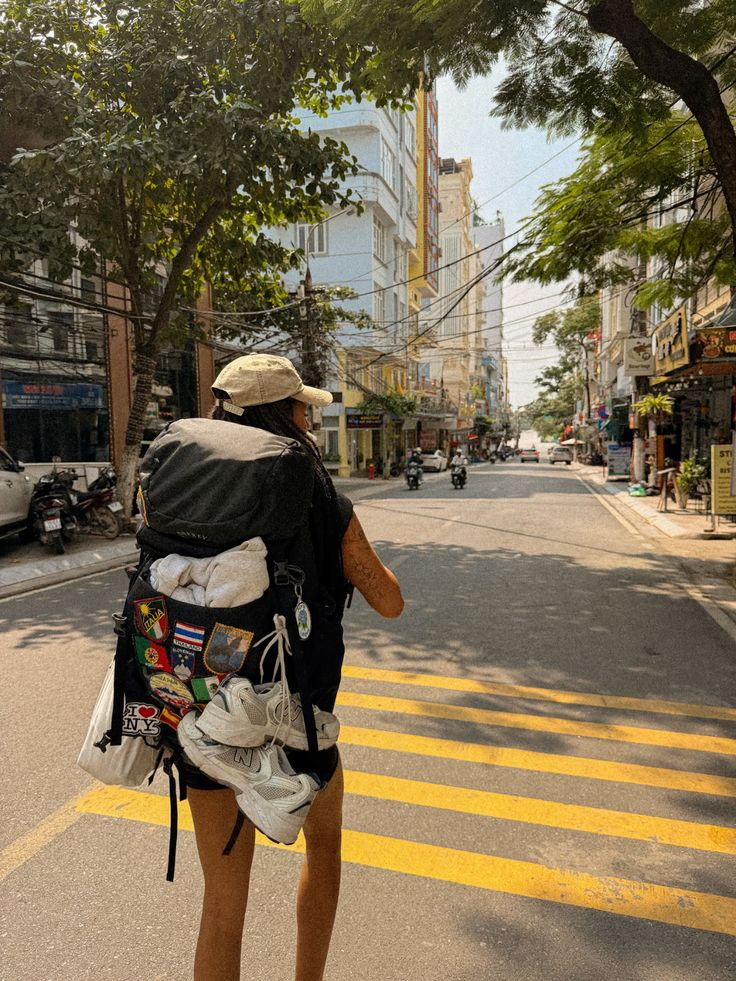
And if you're travelling for only a few days, packing light can make a real difference.
A backpack, a few outfits, and the ability to resist bringing six pairs of shoes for a three-day trip.
You've got this.
3. Stay somewhere you'll actually want to spend time
Accommodation is often one of the biggest travel expenses.
But cheap doesn't automatically mean good value.
A hostel that's far from everything might save you money upfront but cost you more in transportation.
The same goes for an inexpensive apartment with no nearby public transit.
Before booking, consider the location, reviews, transportation connections, and any cleaning or local taxes.
Sometimes, paying a little more to stay centrally saves money elsewhere.
Hostels can be great for solo travellers who want to meet people.
Private rooms and apartment rentals may offer better value when you're travelling with friends.
And if your accommodation has a kitchen, you can save money on some meals without having to skip the restaurants you really want to try.
4. Don't try to do everything
One of the most expensive things you can do on a trip is treat every day like a checklist.
Museum at 9. Brunch at 11. Boat tour at 1. Rooftop at 5. Dinner reservation at 8.
By the end, you've spent a small fortune and barely remember half of it.
Instead, choose a few experiences you genuinely care about.
Maybe that's visiting an iconic museum, trying a famous restaurant, or booking an activity you've always wanted to do.
Then leave some space for everything else.
Walk around different neighborhoods. Explore local markets. Find a park with a great view.
Some of the best travel memories cost absolutely nothing.
You don't need to do everything to feel like you've experienced a place.
5. Eat well without eating out for every meal
Food is one of the best parts of travelling.
And we're definitely not suggesting you go to Italy and survive on supermarket sandwiches.
But you also don't need three restaurant meals every day.
Try mixing things up.
Grab breakfast from a local bakery. Have a picnic in a park. Try street food or a neighborhood lunch spot.
Then spend a little more on the meals you're genuinely excited about.
Local markets can be especially good for affordable food and discovering things you wouldn't normally try.
One practical tip: avoid assuming restaurants right beside major tourist attractions offer the best value. A short walk away can sometimes mean better food and lower prices.
Save on the meals you don't care about so you can enjoy the ones you do.
That's budgeting without missing out.
6. Use public transportation like a local
Taxis and rideshares are convenient.
But taking one every time you leave your accommodation can eat through your travel budget quickly.
Many cities have affordable public transportation systems, including buses, metros, and trams.
Before arriving, check whether the city offers daily passes, multi-day tickets, or contactless fare caps.
Walking can also be a great way to explore when distances and accessibility allow.
You'll discover cafés, shops, and neighborhoods you probably wouldn't have noticed from a car.
Just remember that the cheapest route isn't always the best one. Late at night or when you're exhausted, paying for a safe and convenient ride can be worth it.
7. Set a daily budget, but don't make it a prison
Imagine you've saved €500 for a five-day trip after paying for transportation and accommodation.
That gives you an average of €100 per day for food, activities, local transportation, and other spending.
It's a useful starting point.
But it doesn't mean you need to spend exactly €100 every day.
Maybe one day you spend €40 walking around the city and visiting free attractions.
The next day, you spend €150 on an experience you've been looking forward to.
That's fine, provided your total budget still works.
A travel budget should give you freedom to make choices, not make every purchase stressful.
Keep an eye on your overall spending and adjust as you go.
And remember to leave some room for unexpected expenses.
8. Start saving before you've even booked the trip
Travelling gets much easier financially when you're not trying to pay for everything at once.
Instead of waiting until you find an amazing flight deal, create a travel savings goal.
Let's say you're hoping to take a €600 trip in six months.
You'd need to save around €100 per month.
Or roughly €23 per week.
Breaking a big goal into smaller contributions makes it feel much more manageable.
You can also keep separate savings goals for flights, accommodation, and spending money if that helps you stay organized.
That's part of what SSPEN is designed to help with: giving your savings goals a clear purpose while keeping track of the money you need for everyday life.
Because booking a flight feels even better when you've already planned how to pay for the trip.
9. Avoid the expenses you didn't see coming
Even carefully planned trips can come with surprises.
And those surprises aren't always fun.
Before travelling, remember to budget for things like:
- Travel insurance
- Tourist taxes
- Visa fees, if applicable
- Airport transportation
- Baggage charges
- Mobile data or roaming
- Currency conversion fees
- Unexpected changes to your plans
Not every trip will involve all of these costs.
But checking them before departure can help you avoid spending money you thought was available for something else.
It's also a good idea to keep a small emergency buffer, separate from your everyday travel spending.
10. Stop comparing your trip to everyone else's
This might be the most important one.
You open Instagram and see someone staying at a beautiful hotel, eating at expensive restaurants, and somehow visiting three countries in one week.
It's easy to feel like your trip needs to look the same.
But you don't know their budget, their circumstances, or who's paying for what.
And you definitely don't need to recreate someone else's vacation to have a good time.
Maybe your version of the perfect trip is a hostel, cheap flights, long walks, and sitting by the water with your friends.
Maybe it's spending most of your budget on one unforgettable experience.
Neither approach is better.
The point of travelling is to enjoy your experience, not compete with someone else's.
The bottom line: Make memories, not money stress
Travelling on a budget isn't about choosing the cheapest possible option every time.
It's about spending intentionally.
Find affordable ways to get around, choose accommodation that makes sense, and save on things that don't matter much to you.
Then make room for the experiences you're genuinely excited about.
You might not have unlimited money, but you can still have some pretty incredible adventures.
And when you plan ahead, you can enjoy them without spending the entire trip worrying about your bank balance.
Your budget shouldn't cancel your plans. It should help you make them happen.