
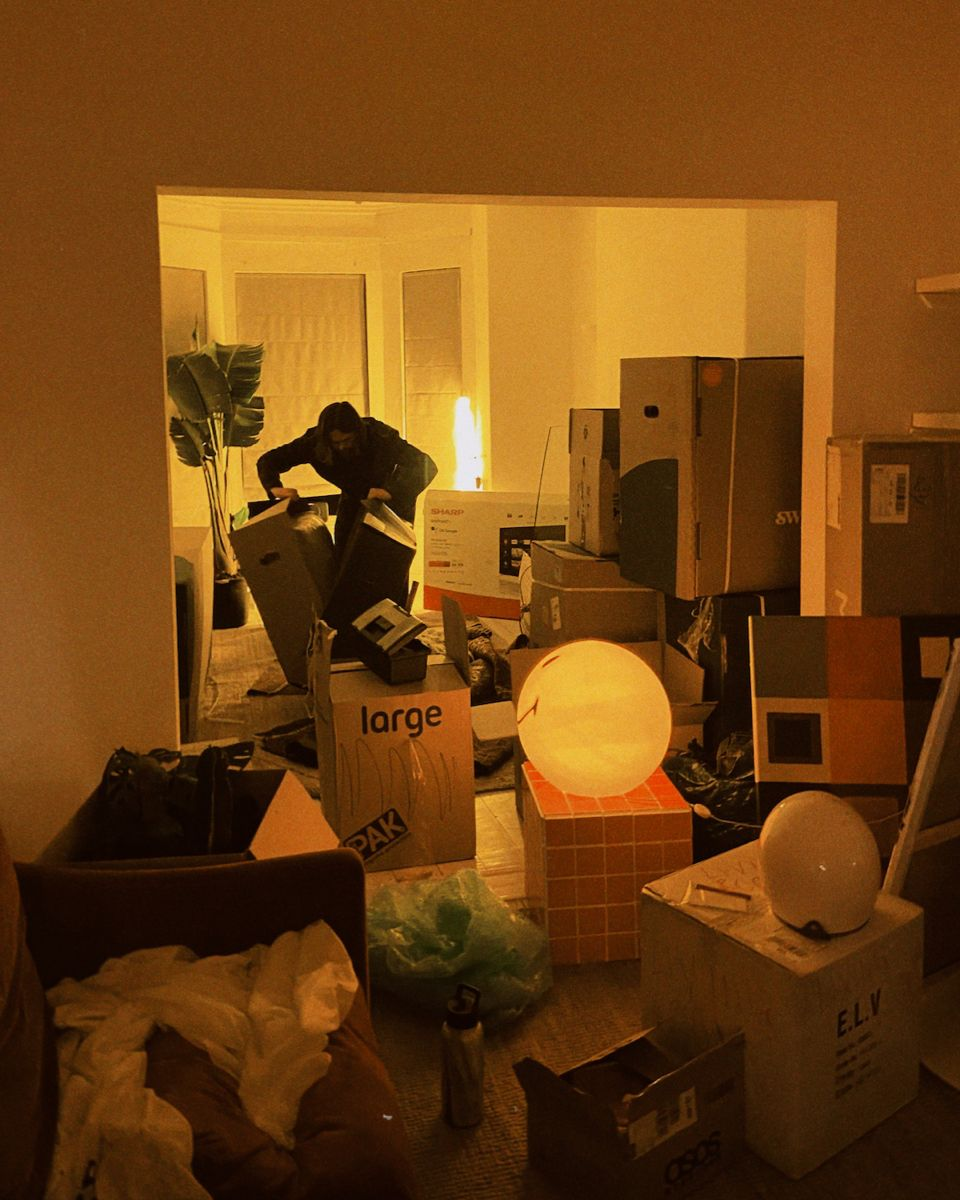
Moving Out for the First Time? Here's How Much It Really Costs
Getting your own place sounds like a dream.
Your own space. Your own rules. Nobody asking why you're still awake at 2 AM.
And then you realize you have to buy a trash can.
Welcome to adulting.
Moving out for the first time is exciting, but the costs can go way beyond your monthly rent. From furniture to utility bills, there are expenses nobody really thinks about until they're standing in an empty apartment wondering why curtains are so expensive.
Here's what to expect financially before getting your first place.
1. Rent is just the beginning
When you're looking for an apartment, rent is usually the first number you check.
But that monthly amount doesn't tell the whole story.
Depending on where you live, you may also need to account for:
- A security deposit or other legally permitted upfront payment
- First month's rent
- Application or administrative fees, where permitted
- Tenant or renters insurance
- Parking fees
Some of these costs vary significantly depending on your location, and certain fees or deposits may not be legally allowed everywhere.
Before signing a lease, find out exactly how much money you'll need upfront.
An apartment you can afford monthly might still require more savings than you expected before move-in day.
2. Your first grocery trip will be surprisingly expensive
When you live with family, it's easy to forget how many things just exist in the kitchen.
Olive oil. Salt. Spices. Flour. Dish soap.
They don't magically appear in your first apartment.
Your first grocery trip will probably cost more than your usual weekly shopping because you're building your kitchen from scratch.
The good news? You won't need to rebuy everything every week.
Start with the basics, then gradually add things as you need them.
You don't need 14 different spices when your current cooking skills consist of pasta and scrambled eggs.
3. Furniture adds up faster than you think
A bed. A mattress. A desk. A chair. Somewhere to put your clothes.
Even if you're going for a minimalist apartment, you'll probably need more than you initially imagined.
And furniture isn't the only thing.
There are also all the less exciting purchases:
- Bedding and pillows
- Towels and shower curtains
- Plates, glasses, and cutlery
- Pots and pans
- Lamps and light bulbs
- Cleaning supplies
The trick is to separate what you need immediately from what can wait.
A mattress? Pretty important.
A perfectly matching set of decorative cushions? Probably not urgent.
Secondhand marketplaces, student groups, and friends moving out can be great ways to find affordable furniture.
Your first apartment doesn't have to look finished on day one.
4. Utilities are now your problem
Remember when the Wi-Fi just worked?
Well, now someone has to pay for it.
Depending on your apartment and lease, you might be responsible for electricity, heating, water, internet, or other utilities.
Before moving in, ask which services are included in the rent.
You should also check whether you need to arrange connections yourself and whether setup or installation fees apply.
Your monthly housing budget should include more than rent.
A slightly cheaper apartment with expensive utilities might cost more overall than a place with some bills included.
5. Moving day has its own budget
Even if you're only moving a few streets away, getting all your belongings from one place to another can cost money.
You might need:
- A moving truck or van
- Boxes and packing supplies
- Professional movers
- Transportation
- Temporary storage
If you have friends willing to help, great.
But don't forget to budget for the pizza afterward. It's practically a moving-day tradition.
Planning ahead can help you avoid expensive last-minute arrangements.
6. The expenses nobody warns you about
You've paid rent, bought furniture, and finally unpacked.
You're done spending, right?
Not exactly.
There's always something you forgot.
A drying rack. An extension cord. A laundry basket. A bathroom mat.
Then come the repairs, replacements, and other unexpected purchases.
This is why it's worth keeping a little money aside after move-in day rather than spending your entire budget furnishing the apartment.
Your moving budget should include a cushion for things you haven't thought of yet.
7. How much should you save before moving out?
There's no universal number.
The amount you'll need depends on your city, rent, whether you're moving into a furnished apartment, and how much you already own.
Instead of picking a random savings target, estimate your actual moving costs.
Start with three categories.
Upfront housing costs
Include your first rent payment, any legally permitted deposit, and required fees.
Moving and setup costs
Estimate transportation, furniture, kitchen essentials, and anything else you'll need immediately.
Financial cushion
Keep some money available for unexpected expenses and, ideally, continue building an emergency fund covering essential living costs.
For example, if your upfront housing costs are $1,000, moving and setup expenses are $700, and you want a $500 initial cushion, your starting goal would be $2,200.
That's only an illustration, not a recommended amount for everyone.
The important thing is knowing your own target before moving day arrives.
8. Make a budget for life after moving in
Getting the keys isn't the finish line.
You'll also need a realistic plan for your everyday spending once you're living independently.
Your monthly budget might include housing, groceries, transportation, subscriptions, savings, and entertainment.
And yes, entertainment still belongs there.
Moving out shouldn't automatically mean never going out with your friends again.
The goal is understanding how much you can comfortably spend after covering your responsibilities.
That's the thinking behind SSPEN: helping you see where your money goes and make your budget work around your actual life.
Because your first apartment comes with enough responsibilities already.
9. You don't need to have everything figured out
Your first apartment probably won't look exactly how you imagined.
You might eat dinner sitting on the floor for a few days.
You might realize you forgot to buy a can opener.
You might call your parents to ask how to clean something you've never cleaned before.
That's part of the experience.
Moving out is a learning process, and your finances will probably take some adjusting too.
Give yourself room to figure things out.
The bottom line: Independence comes with a price tag
Moving out for the first time is a big milestone.
It's exciting, sometimes overwhelming, and definitely more expensive than just paying rent.
But preparing for the costs ahead of time can make the transition a lot smoother.
Start with the essentials, build your apartment gradually, and leave some room in your budget for unexpected expenses.
You don't need the perfect apartment or the perfect financial situation to begin.
Adulting is expensive enough. Understanding your money should be the easy part.